
Benefits of Contract Catering for SEND Schools | Expertise, Support & Stability

Benefits of a Contract Caterer for SEND Schools
SEND schools face growing pressures around catering provision, influenced by tight budgets, rising parental expectations, and complex dietary, medical, and sensory requirements. These factors increasingly shape everyday decisions.
These schools are typically supported by dedicated in‑house teams who know the school and its pupils well. This familiarity creates valuable continuity for pupils throughout the school day.
However, as demands continue to evolve, many schools are reviewing whether their current model is equipped to meet both present and future needs.
Schools therefore need to weigh the strengths of each model to ensure operational and budgetary needs are met, while still delivering high‑quality meals pupils genuinely enjoy.
Choosing the Right Catering Model for Your School
Many schools choose an in‑house team because it offers day‑to‑day control, with teams embedded within the school environment and closely aligned to its culture and routines. This approach works best where staffing is stable and the school has the internal capacity to oversee compliance, budgets, and daily operations.
By contrast, a contract caterer provides a partnership model in which operational responsibility is shared with a specialist provider who is well versed in modern legislation and potential pitfalls that an in-house kitchen may face. Outsourcing catering isn’t a loss of control, it’s about gaining support.
However, it helps to understand the specific benefits a contract caterer can bring and the challenges they can help schools overcome. So, what exactly are the benefits of a contract caterer, and what hurdles can a contract caterer help the establishments overcome?
Specialist Expertise for SEND Environments
For these schools, the greatest catering pressures often fall into three key areas: menu development, recruitment, and backend operational management.
Menus
In SEND settings, many pupils require adapted meals due to medical, dietary, or sensory needs. This adds a level of complexity for school kitchens, making menus a minefield for chefs. Often spinning many plates, chefs may struggle to balance budgets, dietary requirements, and pupil appeal.
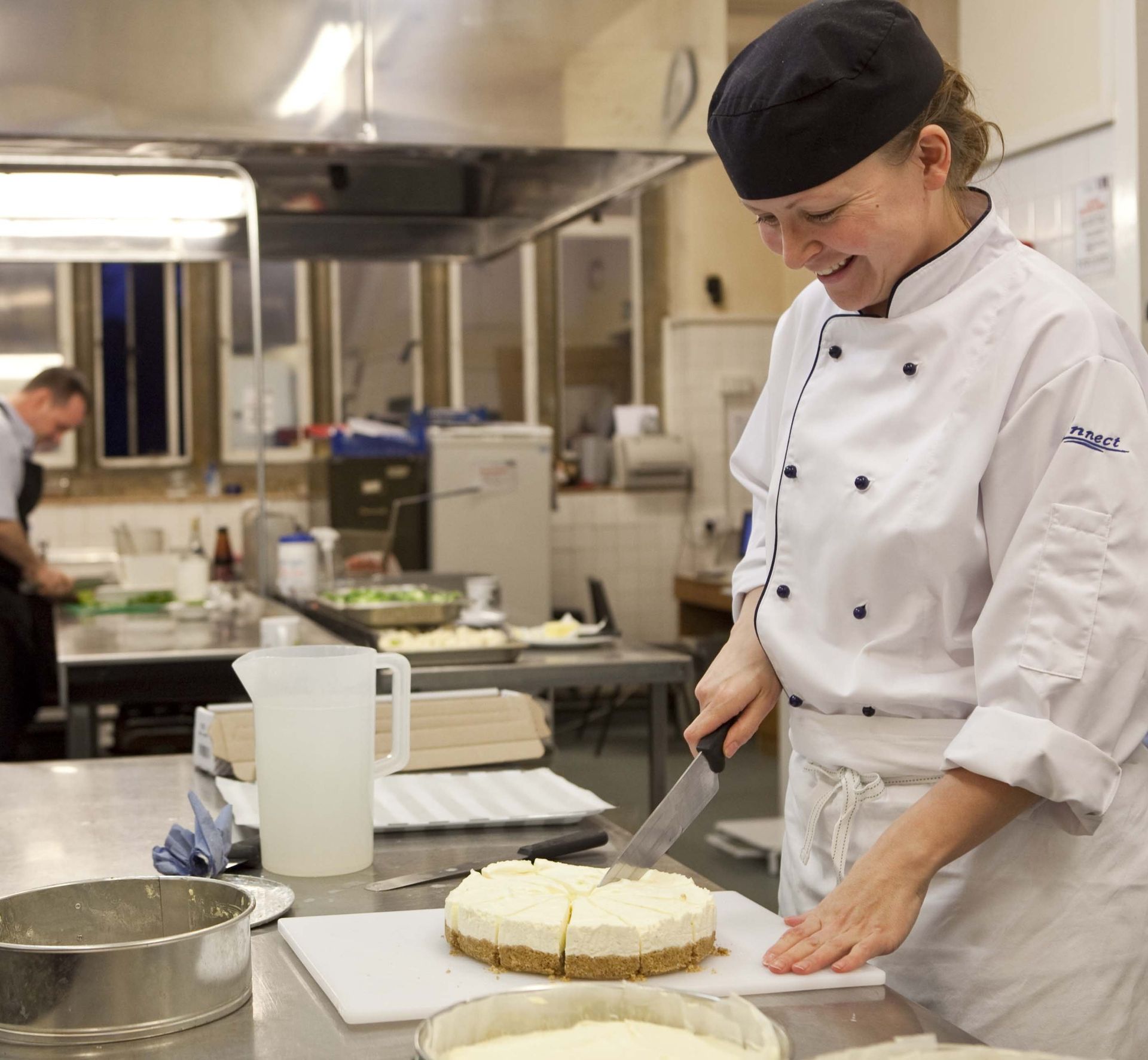
Contract caterers invest in trained chefs who can empathise, adapt, and tailor meals to individual needs, ensuring every pupil enjoys safe, nutritious, and appealing food.
At some sites, practical initiatives such as sectioned plates and taster presentations at parents’ evenings have been introduced to demonstrate meal options and build familiarity. These approaches have helped transform reluctant eaters into pupils who look forward to lunchtime, a success recognised by visiting NHS Speech and Language Therapy professionals, who have praised the creation of environments that encourage children to explore new foods with confidence.
Staffing
Staffing is another significant challenge for SEND school kitchens, both in recruitment and retention. Catering teams need both strong culinary skills and the ability to build trust and adapt to the diverse communication and sensory needs of pupils. Finding candidates with the right balance of experience, safeguarding awareness, and SEND specific understanding is increasingly difficult.
For schools already operating in demanding environments, the administrative burden of recruiting catering staff can become time‑consuming and difficult to manage.
Contract caterers, however, draw on established recruitment processes and wider staffing networks to source and retain appropriately trained staff. With safeguarding checks, specialist training, and access to relief teams familiar with the site, contract caterers provide continuity and consistency. This approach reduces disruption to meal services and supports pupils through familiar faces, while also easing pressure on schools by providing reliable cover and long term staff retention through clear development pathways and competitive benefits.
Back-end logistics
Beyond daily food preparation, in‑house teams also manage compliance, budgeting, and alignment with government guidance can place significant pressure on inhouse teams. Managing these requirements alongside daytoday service delivery can quickly become overwhelming.
This is where contract caterers come into their own, drawing on established systems and sector expertise, to deliver a compliant and consistent service. These established policies help schools remain inspection ready and fully aligned with allergen and food safety requirements throughout the year. This support reduces operational pressure and allows catering teams to focus on what matters most: delivering great food.
In addition, strong supplier relationships further support this food‑first approach. By working with a trusted contract caterer, schools benefit from centralised procurement and established networks, ensuring consistent quality, reliable supply, and improved cost control. This provides greater financial clarity, stability, and confidence in the service delivered.
So, why should SEND Schools choose a contract caterer?
As operational demands rise, catering provision has become an increasingly strategic consideration for SEND schools.
In‑house teams remain a valued and effective option where capacity allows. However, contract catering can reduce operational burden while adding expertise, resilience, and financial control.
SEND schools operate in a uniquely demanding context, often carrying greater responsibilities than other settings, and a strong catering partnership can help ensure the level of support they deserve. For schools considering how best to support pupils, staff, and long‑term sustainability, exploring a contract catering partnership can be a strong step toward a more supported, future‑ready approach.