
Pan-Asian Food: Culture, Flavour & Modern Workplace Catering | Connect Catering
Pan-Asian Food: Culture, Flavour & Modern Workplace Catering
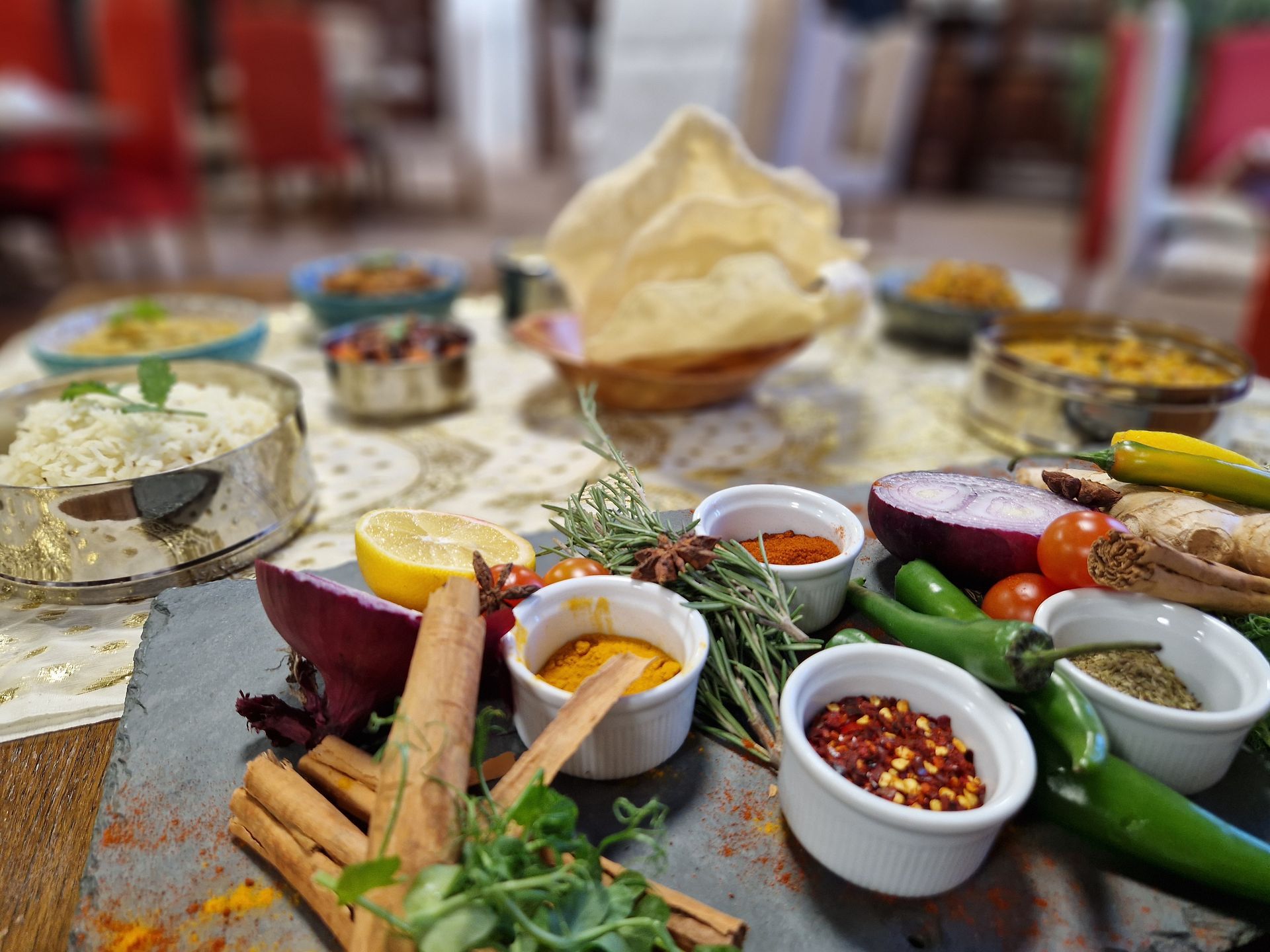
Pan-Asian cuisine has become a defining part of the British food scene, particularly within modern workplace and contract catering. Shaped by migration, innovation, and a growing appetite for bold, authentic flavours, its influence can be seen and tasted across the UK, from bustling street-food markets to staff restaurants and corporate dining spaces.
At its heart, Pan-Asian food celebrates the diversity of Asian cuisines while sharing common threads: fresh ingredients, balanced flavours, and dishes that adapt easily to local tastes, seasons, and service styles. Our chefs love Pan-Asian influences because it allows them to create vibrant, nutritious menus that showcase both tradition and modern creativity which are perfect for busy workplace restaurants.
Food, Symbolism and Shared Celebrations Across Asia
Food across Asia carries meaning far beyond sustenance, and this shared symbolism is one of the foundations of Pan-Asian cuisine. As Chinese New Year approaches, many traditional dishes are chosen for their symbolism as much as their flavour. Dumplings, for example, represent wealth because their shape resembles ancient Chinese gold ingots. Fish is another staple, as the word 鱼 (yú) sounds like the word for “surplus,” making it a symbol of abundance and prosperity. Longevity noodles are served to represent long life, served long and uncut, reflecting the eater’s wish for health and longevity in the year ahead.
Although these traditions originate in Chinese culture, their influence can be seen across the wider Pan‑Asian food landscape, where shared meanings, rituals, and ingredients connect diverse cuisines through common celebrations. Food is where shared meanings, rituals, and ingredients connect diverse cuisines through common celebrations.
Congee: One Dish, Many Pan-Asian Traditions
Congee, a savoury rice porridge enjoyed across much of Asia, is a perfect example of how Pan-Asian cuisine can reflect many culinary identities. Its simplicity allows it to adapt to different grains, ingredients, and techniques across regions.
A classic Cantonese version might feature century egg and pork, while the Korean equivalent, juk, is cooked with more water to create a creamier texture and is often paired with toppings such as chicken, pumpkin, or seafood. These regional variations highlight how Pan-Asian cuisine is less about fusion for the sake of it and more about shared foundations shaped by local tradition.
Jjangmyeon: A Noodle Dish Shaped by Migration
Another dish that embodies the spirit of Pan-Asian food is Jjangmyeon, a Korean noodle dish with Chinese roots. Originating from Chinese migration to Korea, it evolved from the Chinese dish zhajiangmian into something distinctly Korean. Rich, savoury, and deeply comforting, Jjangmyeon balances salty black bean paste with the natural sweetness of onions and vegetables, with optional spice to suit individual tastes.
More than just a noodle dish, Jjangmyeon tells a wider story of movement, adaptation, and everyday rituals. In Korea, Jjangmyeon is traditionally eaten on moving day, a comforting meal enjoyed while kitchenware is still packed away, symbolising fresh starts and new beginnings. It is a reminder that Pan-Asian food did not emerge from hashtags or short-lived trends, but from generations of shared experience and cultural exchange.
Ready to Broaden Your Team’s Dining Experience? Let’s Talk.
At Connect, we celebrate global food cultures through thoughtful, seasonal menus designed for
modern workplaces. Discover how our chefs bring Pan‑Asian flavours to life across the UK.