
More Than a Meal: How Food Can Bring People Together in Care Settings

More Than a Meal: How Food Can Bring People Together in Care Settings
Food has always been about more than simply eating. It brings people together, starts conversations, evokes memories, and creates moments to look forward to.
In a care setting, those moments can be particularly important. While providing nutritious, balanced meals remains fundamental, catering can also play a valuable role in creating opportunities for residents to connect with the people around them.
Making mealtimes social occasions
For many of us, some of our strongest memories are connected to food: Sunday lunches around the family table, a favourite childhood dish, birthday cakes or meals enjoyed on holiday.
Mealtimes in care settings can offer that same sense of occasion and familiarity.
Creating a welcoming dining environment and encouraging residents to come together gives people an opportunity to talk, share experiences and enjoy one another's company. Something as simple as discussing what is on the menu can become a conversation starter.
It is also important to recognise that everyone is different. Some residents may enjoy a lively communal dining room, while others prefer a quieter environment or need additional support. A person-centred approach means creating opportunities for interaction without taking away individual choice.
Creating something to look forward to
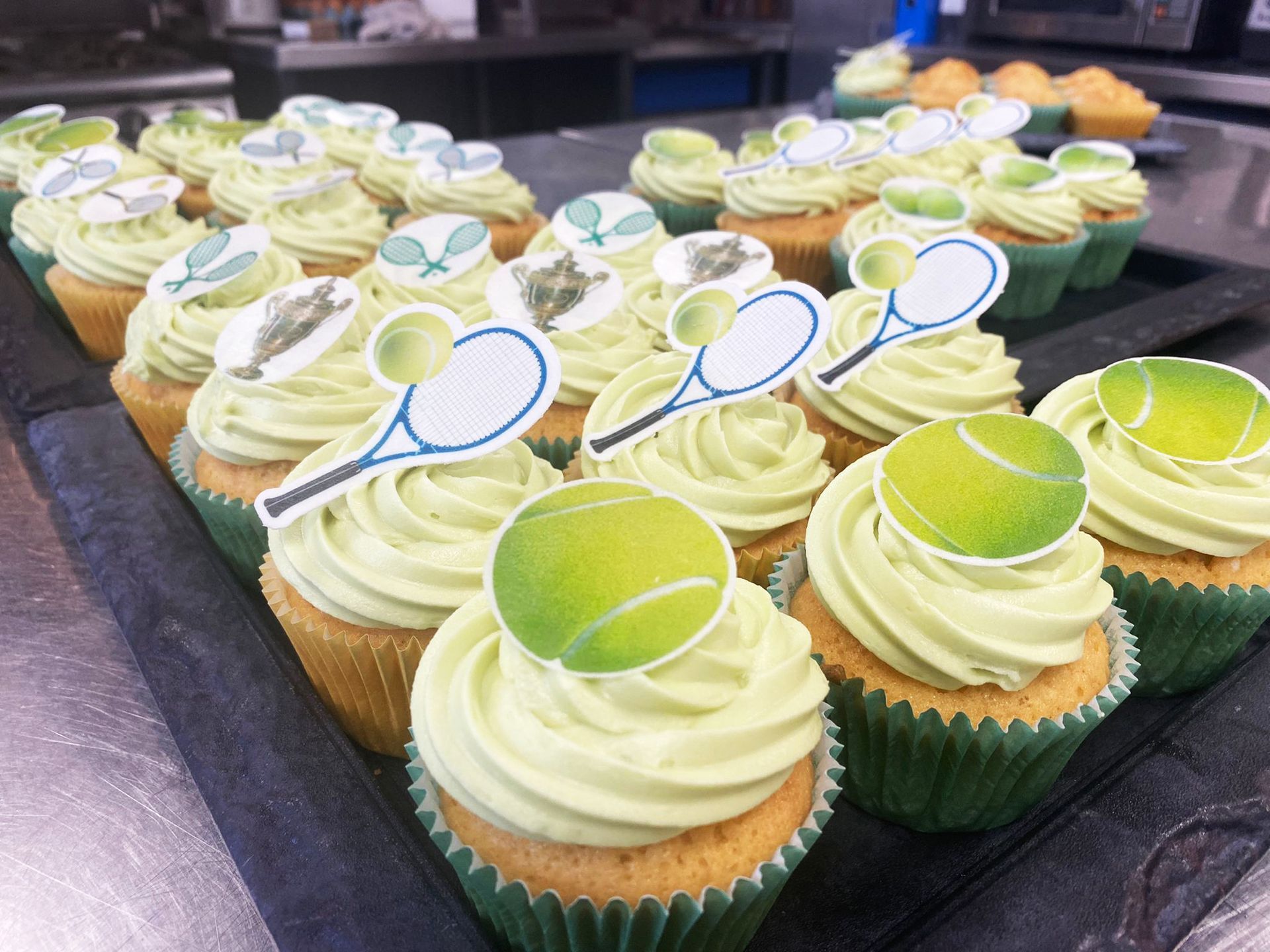
Theme days can transform an everyday meal into an experience.
Whether celebrating a particular country or cuisine, marking a seasonal event or revisiting traditional favourites, themed menus provide opportunities to create interest around food.
Decorations, music, menu displays, and activities can all complement the meal, giving residents and care teams something to talk about before, during and after the event.
Food can be particularly powerful when it connects with memories. Familiar flavours, traditional dishes, and recipes associated with occasions can encourage residents to share stories and experiences, helping people get to know one another.
Bringing chefs into the conversation
The people preparing the food can make a difference too.
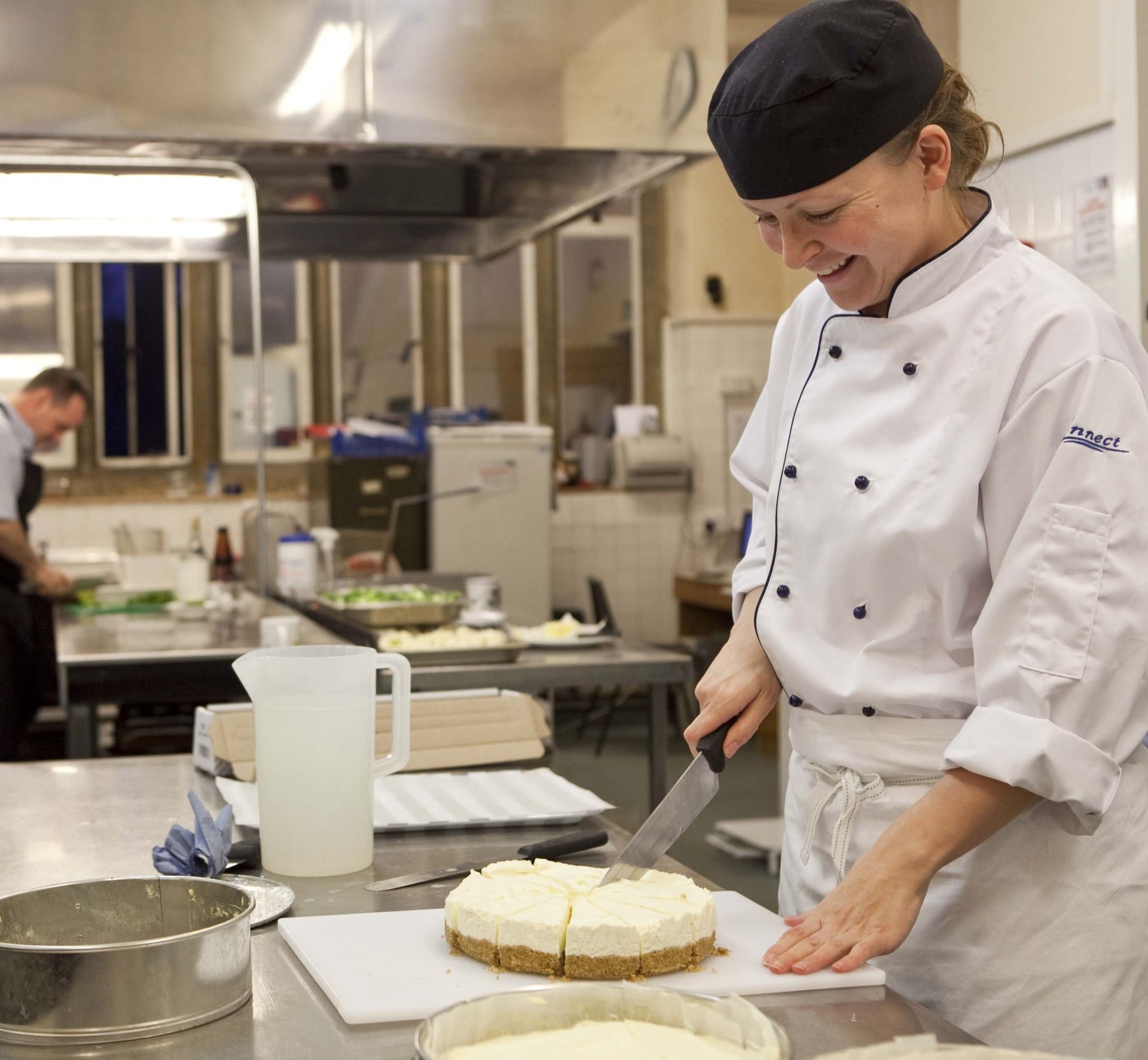
We believe chefs should feel part of the communities they cater for. Taking the time to speak with residents, listen to their feedback and understand their likes, dislikes and favourite dishes can turn catering into something much more personal.
Chef engagement can take many forms, from chatting with residents during mealtimes to cooking demonstrations, tasting sessions or conversations about future menus.
It also gives residents a voice. Asking what they would like to see on the menu helps ensure catering reflects the people enjoying it, rather than simply being something delivered to them.
Making sure everyone can take part
Creating inclusive mealtimes also means considering residents who may find eating more difficult.
Dementia, dysphagia, reduced dexterity, sensory changes, and other health needs can all affect someone's experience of food. Thoughtfully adapted meals, appropriate equipment and careful presentation can help people maintain independence, dignity, and enjoyment at mealtimes.
Differences in diets should not mean exclusion from valuable social interaction. Wherever possible, residents should be able to enjoy recognisable, appetising food alongside everyone else rather than feeling separated by their dietary needs.
Food as part of the care community
Catering cannot solve social isolation on its own, but it can create regular opportunities for connection.
The three meals eaten every day represent hundreds of opportunities throughout the year to create conversation, celebrate occasions, share memories, and make somebody's day a little brighter.
We believe great care catering is about understanding the people behind the plate. By working closely with care teams and residents, our aim is to create food experiences that support not only nutrition and wellbeing, but a genuine sense of community and belonging.
How Can We Help?
If you'd like to discuss how we could support your residents, we would love to hear from you. Please click the button below and a member of our team will be in touch.
If you enjoyed this article, you might also like to read: