
Ultra‑Processed Foods: Myths, Facts & What Really Matters for Health

Benefits of a Contract Caterer for SEND SchoolsAre All Ultra‑Processed Foods Bad for You? The Nuance Behind the Label
Ultra processed foods have been the subject of intense discussion in recent years, particularly with the publication of books like Chris van Tulleken’s Ultra Processed People. The term has quickly entered mainstream vocabulary, and with it, a growing belief that all foods that fall into this category are harmful. While there is truth behind some of these concerns, our associated nutritionist Helen Lynam says the reality is more nuanced and deserves a closer look.
What Ultra‑Processed Foods Really Are
Ultra processed foods, often shortened to UPFs, are defined not by a single ingredient but by the processes used to make them. These products commonly include refined extracts, synthesised additives or ingredients far removed from their original form. According to Helen, “this kind of processing often gives the foods a long shelf life, which makes them convenient”, encouraging us to reach for them more frequently than we might intend to.
What the Science Says About UPFs and Health
Research increasingly links high consumption of ultra processed foods with poorer health outcomes. Studies have associated certain UPFs with higher risks of obesity, type 2 diabetes, cardiovascular disease and even colon cancer. This has led to a growing public focus on how much of our daily diet comes from these sources. As a general rule, Helen would recommend reducing our intake of UPFs. However, treating the category as a blanket warning can oversimplify the issue.
The Problem with Grouping All UPFs Together
The challenge lies in how broad the definition of UPFs has become. Everything from fizzy drinks and confectionery to fortified cereals, plant based meat substitutes, and dairy alternatives can fall under the same umbrella. Grouping these products together makes it easy to sound the alarm, yet it overlooks the very real differences in their nutritional value and purpose.
UPFs That Pose the Most Health Risk
“Context matters just as much as the label.” A simple, plain protein powder chosen by an athlete seeking additional nutritional support is not comparable to a sugary ready to drink beverage. Likewise, “an occasional ready meal chosen during a busy week will have a limited overall impact when it sits within an otherwise balanced and home cooked diet.” Some UPFs can even serve a practical role, particularly when time, cost or access to fresh foods are limited. The key is understanding the nutritional value they offer rather than simply the classification they fall into.
Within the UPF category, processed meats and sugary drinks stand out as the products most consistently linked with cardiovascular risk. In contrast, ultra processed breads or dairy items do not show the same level of association with health problems currently. Helen mentions, “this is an area of nutrition still very much evolving. UPFs are relatively new in the context of human diets and even the way they are defined is subject to debate. Current definitions vary enough to make consistent classification difficult and that in turn complicates the interpretation of research.”
When Ultra‑Processed Foods Can Have a Place
Completely avoiding UPFs in modern life is challenging. Therefore, the more helpful approach is to pay attention to what proportion of your daily intake they represent and which more nutritious foods might be displaced as a result. “It’s difficult to avoid UPFs completely these days, and it is worth asking simple questions around easy swaps to more natural alternatives, or whether fresh fruit, vegetables and quality proteins could be increased. This can offer a more practical and sustainable way to make healthier choices.”
How Connect Catering Approaches UPFs
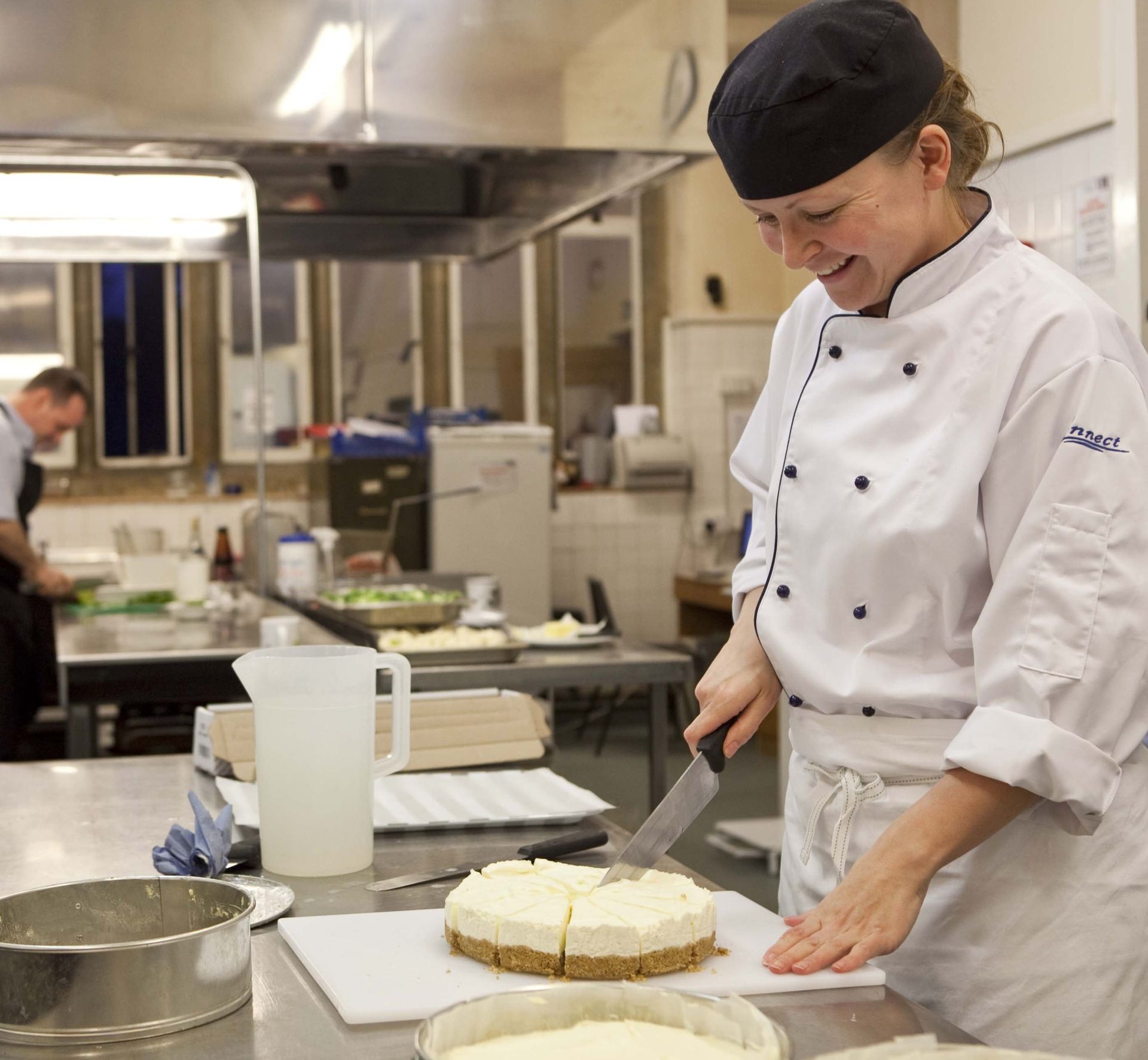
At Connect, we take care in cooking with fresh ingredients and sourcing locally wherever we can. Although eliminating ultra processed foods may not always be possible, we work with Helen Lynam to keep them to a minimum and to offer meals that are wholesome, balanced and rooted in quality produce. Our commitment is to provide food that supports wellbeing as well as enjoyment.